

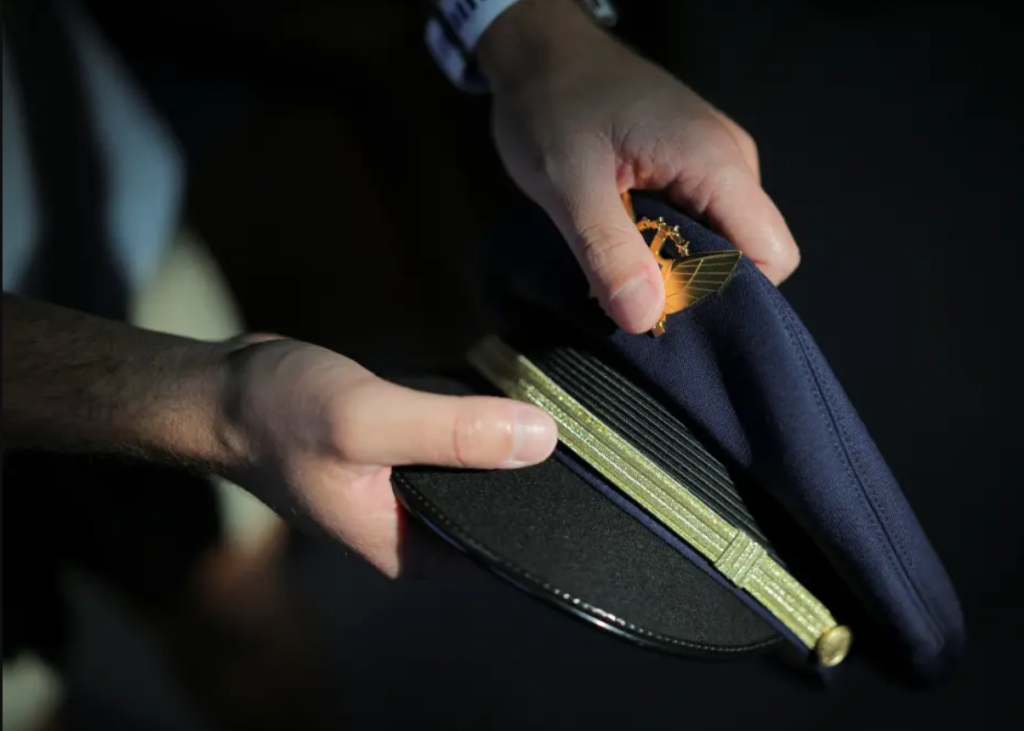
Mental Health Risk Management is now a key element of aviation safety. In-flight or on-duty incapacitation among pilots or air traffic controllers (ATCOs) is rare. However, mental health issues can still influence operations in meaningful ways. Even mild psychological changes may affect attention, judgment, or behaviour. These changes often appear long before an actual incapacitation event. Because of this, aviation organisations must identify and manage mental health risks early.
Mental health shapes how we think and act. It affects attention, memory, problem-solving, decision-making, and communication. When aviation personnel feel mentally well, they perform with accuracy and maintain strong situational awareness. They also make fewer errors. In contrast, unmanaged stress, fatigue, anxiety, and similar challenges can reduce performance. These issues may also create conditions where unsafe acts are more likely. Since symptoms may grow slowly, many professionals fail to recognise them in time.
A recent European study (MESAFE, 2022) supports these concerns. Pilots and ATCOs agree that mental health affects safety. Yet many struggle to notice signs of mental distress in themselves. They often find it easier to spot signs of alcohol or substance misuse in colleagues. Fear of losing a licence and stigma around mental health also prevent people from seeking help. Because of this, risks often remain hidden until they become serious.
The aviation industry needs stronger awareness and better communication. It must promote open dialogue about mental health at every level. A Just Culture, peer-support systems, and focused training can reduce fear and encourage support-seeking behaviour.
This Mental Health Risk Management course gives aviation professionals practical tools and clear methods. Participants learn how to identify, assess, and mitigate mental health risks before they affect crew performance or flight safety. Real cases, group work, and interactive exercises help them apply these skills in daily operations.