The Human Performance and Limitations
ClassroomVirtual

Human Performance and Limitations Course

Language: English, French
Duration:
5 days
Get More Information
Fill out this field
Please enter a valid email address.
Fill out this field

About the course

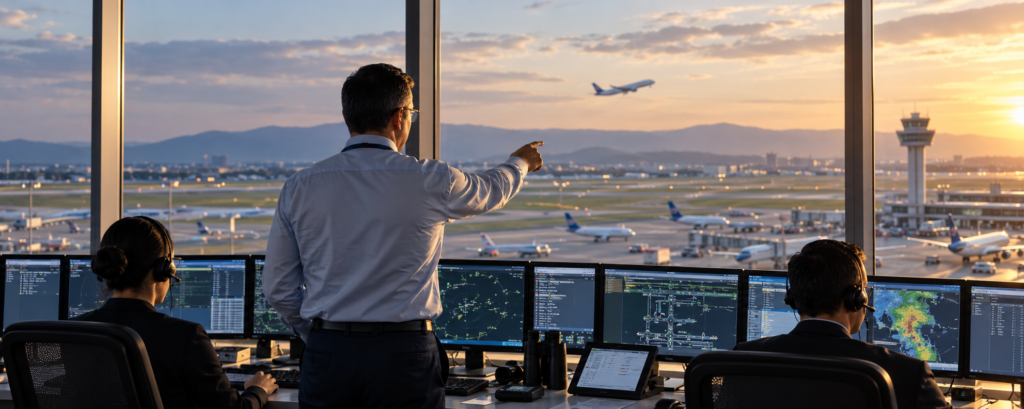
The Human Performance and Limitations Course clearly explains how human traits steer flight safety. Crews drive pure success high up. Natural limits change how pilots make choices. Human actions truly stop crashes in busy spaces. Good focus keeps daily air traffic safe. We dive deep into the mind and body. Outside forces shift how we act. You will see how height, harsh stress, long shifts, and deep sleep loss affect real workers.

This specific Human Performance Limitations Aviation Training highlights people as the core of safe flights. Clear talk and tight team bonds spark strong results. Knowing what goes on around you help too. Workers see exactly why mistakes happen. They learn true bounds. Experts then use firm plans to drop risks. A rich culture of safety grows from this step. True flight cases help you spot tough trials fast. You learn to make great choices when under heavy pressure. Built to match top rules, this class molds much safer, sharper, and better air experts.

Key Topics

Module 1: Introduction to Human Factors

  • Role of human behavior in complex systems
  • Human error and accident causation
  • Importance of human factors in aviation safety

Module 2: Human Physiology in Aviation

  • Respiratory and circulatory systems
  • Hypoxia and oxygen requirements
  • Effects of altitude and pressure on the body

Module 3: Perception and Sensory Systems

  • Vision and visual perception
  • Visual illusions in aviation
  • Hearing and balance mechanisms

Module 4: Aviation Psychology and Behavior

  • Stress and workload management
  • Decision-making processes
  • Attention, awareness, and concentration

Module 5: Fatigue and Sleep Management

  • Effects of fatigue on human performance
  • Circadian rhythm and biological clock
  • Managing fatigue in aviation operations

Module 6: Health, Medication, and Substance Effects

  • Impact of medication on performance
  • Alcohol and drug effects
  • Personal health considerations for aviation personnel

Module 7: Crew Resource Management (CRM)

  • Communication and teamwork
  • Leadership and coordination
  • Effective collaboration in flight operations

Module 8: Aviation Environmental Factors

  • Noise and vibration effects
  • Cabin pressure and environmental conditions
  • Human performance in aviation environments

Objectives

The main objectives of this course are to:

  • Understand the principles of human performance and human factors in aviation
  • Identify the physical and psychological limitations that affect aviation personnel
  • Recognize the causes of human error and its impact on safety
  • Improve decision-making, communication, and situational awareness
  • Understand the effects of fatigue, stress, and workload on performance
  • Promote effective Crew Resource Management (CRM) practices
  • Enhance overall aviation safety culture and operational efficiency

Targe Audience

  • Pilot students and professional pilots
  • Air traffic controllers
  • Aircraft maintenance technicians and engineers
  • Aviation management students
  • Cabin crew (flight attendants)

Certificate

Upon completion, participants receive
a certificate of achievement.

Request More Information

Full name *
Fill out this field
Email *
Fill out this field
Message
Fill out this field

Other trainings

Flight Support Operations Training
ClassroomVirtual

Flight Support Operations Training

Flight Support Operations Training helps aviation professionals build the skills they need to support business aviation, private aviation, and international…
AirlineCorporate
Air Traffic Services Supervisor
ClassroomVirtual

Air Traffic Services Supervisor

Air Traffic Services Supervisor course is designed to prepare current and aspiring ATS Shift Supervisors. It is also for those…
Air NavigationSafety