

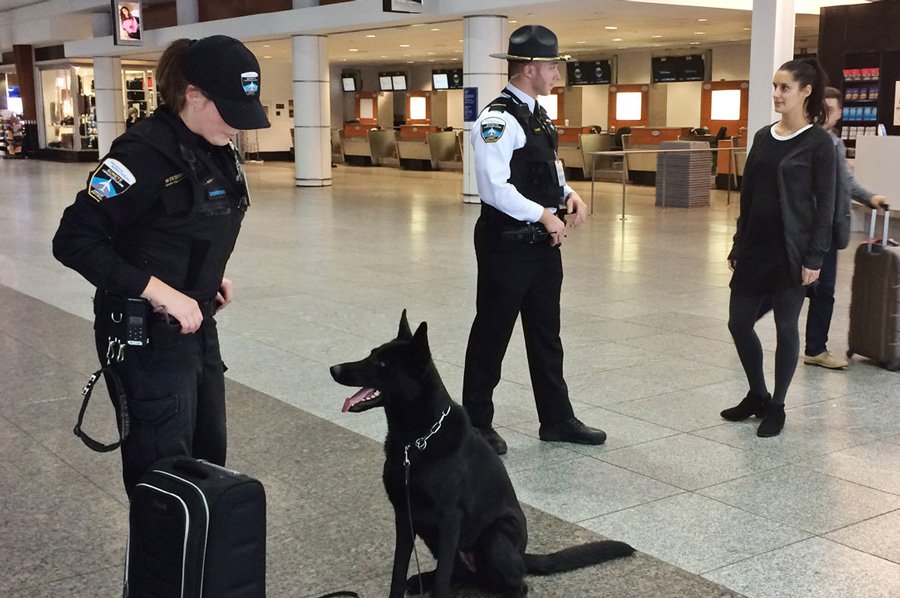
Airport Landside Security Course is designed to equip aviation security professionals with the knowledge and practical tools required to design, implement, and manage preventive security measures in airport landside areas. The course is aligned with ICAO Annex 17 (12th Edition) and the Aviation Security Manual (Doc 8973 – Restricted). It is also aligned with national frameworks such as the National Civil Aviation Security Program (NCASP) and Airport Security Program (ASP). Therefore, the course ensures compliance with international aviation security standards.
As landside areas remain one of the most vulnerable zones within airport operations, this course focuses on risk-based security management, threat identification, and resilient infrastructure planning. In addition, participants will explore how to assess emerging security threats and develop tailored landside security measures. They will also learn how to integrate security-by-design principles into airport facilities.
The program also emphasizes crisis management and emergency preparedness. It enables participants to design effective response strategies for landside incidents. Additionally, the course highlights the importance of building a strong airport security culture and fostering collaboration among stakeholders. It also focuses on enhancing awareness across all operational levels.
Through a structured, module-based approach—including risk management, infrastructure security design, crisis planning, and security culture—participants will gain actionable insights. These insights are applicable to real-world airport environments.
This course is ideal for civil aviation authority personnel, airport police, and airport security managers. It is also suitable for other stakeholders involved in landside security operations. Participants are expected to have prior experience in aviation security or the civil aviation sector. They should also have basic English proficiency and computer literacy.
By the end of the course, participants will be fully equipped to strengthen landside security frameworks and ensure regulatory compliance. Furthermore, they will enhance the overall safety and resilience of airport operations.