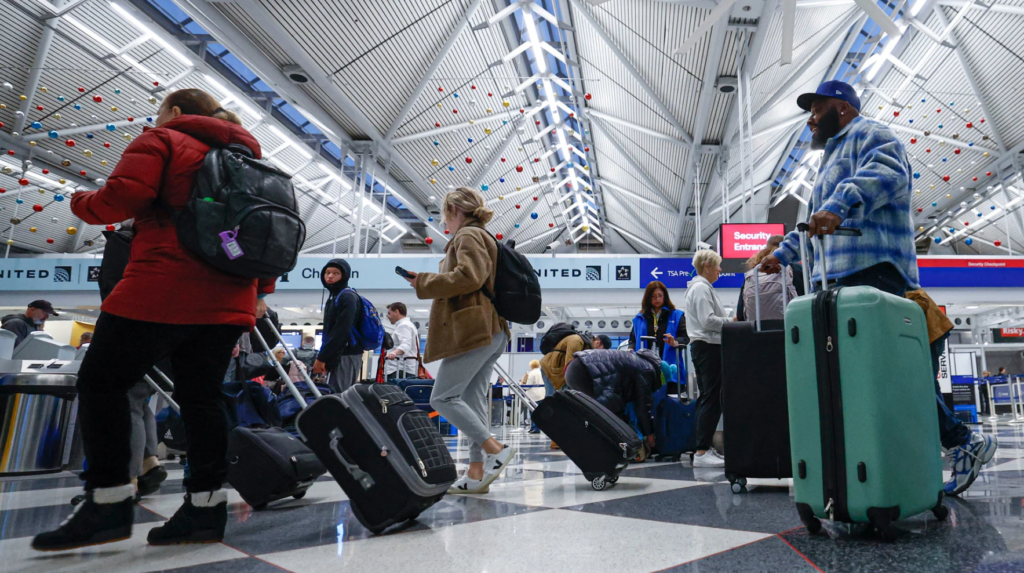
In today’s complex security environment, behavioral analysis and predictive screening strategies are essential tools for enhancing aviation security. With threats evolving rapidly, it is no longer sufficient to rely solely on traditional screening technologies. In addition, understanding human factors and passenger behavior can help identify potential risks before they materialize. This makes security operations more proactive and risk-based.
During this five-day intensive course, participants will explore how behavioral analysis and predictive screening strategies can be applied to detect suspicious behaviors and evaluate travel documents. These approaches can also enhance overall security effectiveness. The program covers the latest methodologies for reading body language and observing suspicious signs. Moreover, it teaches how to collect actionable information from passengers without direct confrontation.
Key topics include understanding current threats to civil aviation and the modus operandi of terror groups. The course also covers the implementation of both traditional and advanced screening technologies. Participants will gain practical knowledge in evaluating Passenger Name Record (PNR) and Passenger Name Information (PNI). Furthermore, they will learn to detect concealment techniques and use questioning strategies to gather critical intelligence.
By integrating behavioral analysis and predictive screening strategies into daily operations, security teams can prioritize high-risk passengers and improve threat detection efficiency. These methods also reduce unnecessary delays for low-risk travelers. This course emphasizes a holistic, human-centered approach. As a result, participants are enabled to anticipate and mitigate risks before they escalate.
Whether you are responsible for airport security, airline operations, or civil aviation policy, mastering behavioral analysis and predictive screening strategies is vital for maintaining safety and enhancing threat awareness. It also ensures the protection of passengers and infrastructure.