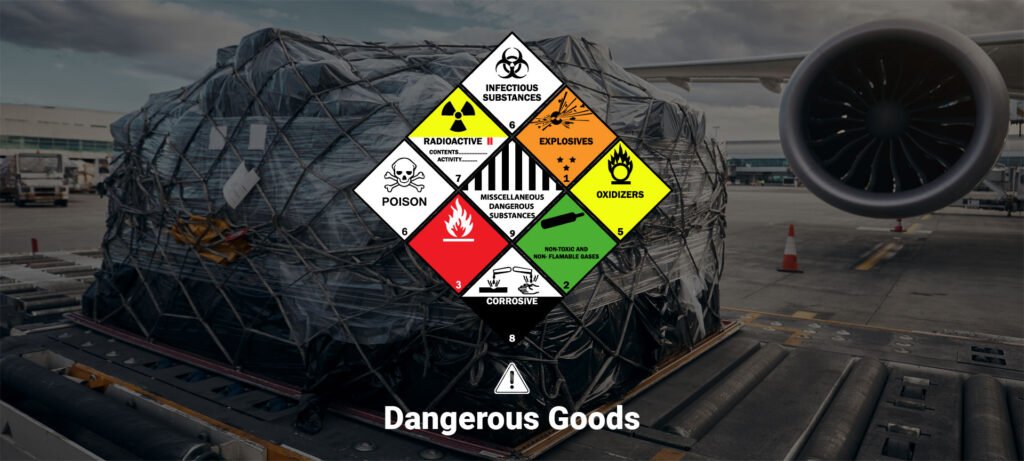
The Dangerous Goods Basic Course provides a comprehensive introduction to the safe transport of hazardous materials by air. It also strengthens participants’ understanding of the global regulatory framework. In the aviation industry, the correct handling of Dangerous Goods (DG) is essential for protecting passengers, crew, cargo, and aircraft operations. This course equips aviation professionals with up-to-date knowledge of Dangerous Goods Regulations (DGR). In addition, it covers the historical evolution of these rules and the critical responsibilities defined under ICAO Annex 18.
The training begins with an overview of the Dangerous Goods Regulations – An Historical Perspective. This helps participants understand why regulations were created and how they continue to evolve. It then explores State Responsibilities in Annex 18. It emphasizes the roles of civil aviation authorities in oversight, compliance, and enforcement. The course also introduces participants to the general principles of transporting dangerous goods by air. In addition, it covers the use of Technical Instructions, ICAO guidance material, and other field documents essential for safe air transport.
A significant portion of the course focuses on detailed requirements for transporting dangerous goods. It covers classification, identification, packing, documentation, and operator acceptance procedures. Participants also gain clarity on the responsibilities of shippers, operators, and states. This ensures every stakeholder understands their obligations in the DG transport chain.
The program also addresses dangerous goods accidents and incidents, enabling learners to identify contributing factors and apply preventive measures. The course concludes with insights into approvals and exemptions, along with practical methods for implementing State responsibilities effectively.
This Dangerous Goods Basic Course provides a solid foundation for aviation personnel involved in DG operations, safety oversight, cargo processes, or compliance. The course is designed to enhance safety performance, minimize risks, and ensure full compliance with international DG standards and recommended practices.