
ClassroomOnline

Heliport Planning and Design

Language: English, French
Duration:
4 days
Get More Information
Fill out this field
Please enter a valid email address.
Fill out this field

Description

The Heliport Planning and Design course provides a complete understanding of how to plan, design, and manage heliport infrastructure according to international standards. The program fully integrates the 5th Edition of ICAO Annex 14, Volume II (July 2020), as well as the latest ICAO Heliport Manual Part I (Offshore, 2020) and Part II (Onshore, 2021) requirements.

Heliports play a vital role in modern aviation, connecting remote, urban, and offshore locations. To operate safely and efficiently, they must comply with international regulations that define physical, operational, and safety characteristics. This four-day course helps aviation professionals interpret and apply the ICAO Standards and Recommended Practices (SARPs) and the Heliport Manual (Doc 9261).

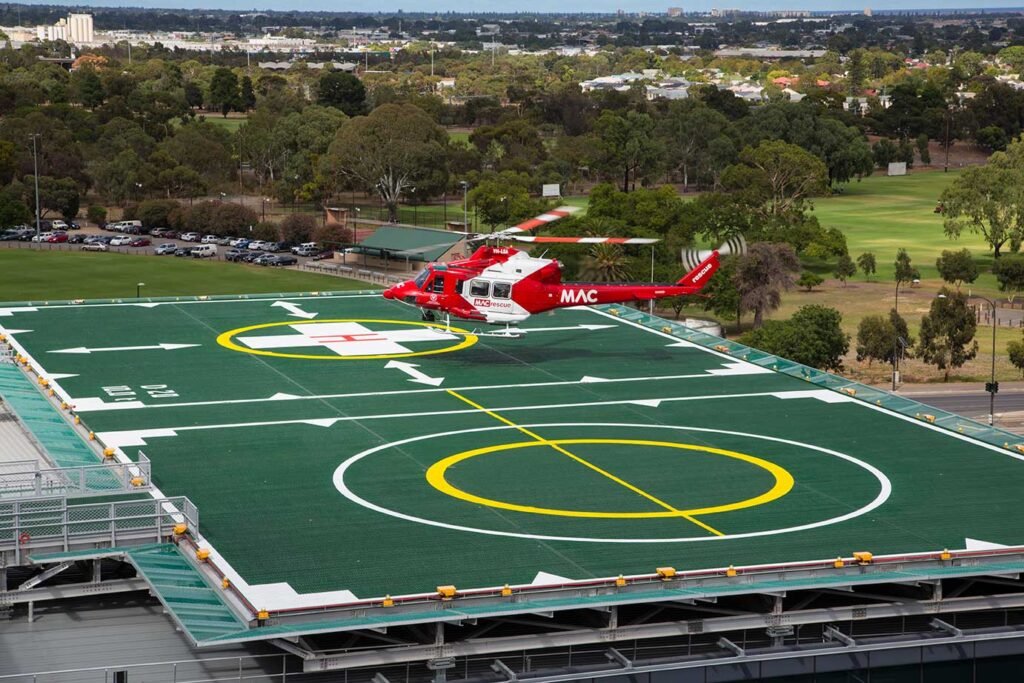
Participants learn how to design surface-level and elevated heliports, as well as helidecks and shipboard heliports. The course explains how to configure key components such as Final Approach and Take-Off Areas (FATO), Touchdown and Lift-Off Areas (TLOF), taxiways, and visual aids. It also covers obstacle restriction, rescue and firefighting requirements, and noise protection considerations.

Through case studies and best-practice examples, participants gain both theoretical and practical knowledge. The course also explores how to assess non-compliance and apply effective mitigation measures to ensure ongoing safety.

By the end of the course, attendees will be able to plan, dimension, and evaluate heliport layouts that meet ICAO, EASA, and national requirements. This training is ideal for engineers, architects, inspectors, and regulatory personnel who design, audit, or oversee heliport infrastructure.

Join this program to master heliport planning and design in full compliance with the latest ICAO and EASA standards.

Key Topics

  • ICAO Annex 14, Volume II and Heliport Manual updates.
  • International and regional regulations (ICAO, EASA, EC Air Operations).
  • Types of heliports: surface-level, elevated, offshore, and shipboard.
  • Design and dimensioning of FATO, TLOF, safety areas, and taxi routes.
  • Visual aids: markings, lighting systems, and signs.
  • Obstacle limitation surfaces and control of obstacles.
  • Rescue and firefighting services (RFFS) requirements.
  • Non-compliance management and mitigation measures.
  • Noise protection and environmental considerations.
  • Future developments in heliport standards and design practices.

Objectives

Upon completion, participants will be able to:

  • Understand ICAO, EASA, and national regulations related to heliport planning and design.
  • Apply Annex 14, Volume II standards to both onshore and offshore heliports.
  • Design FATO, TLOF, taxiways, and lighting systems according to ICAO specifications.
  • Identify obstacles and apply mitigation or removal measures.
  • Conduct safety and noise assessments for heliports.
  • Manage non-compliance issues and implement corrective actions.

Targe Audience

  • Civil Aviation Authority inspectors and certification officers.
  • Engineers and architects involved in heliport infrastructure projects.
  • Aerodrome and heliport operators.
  • Safety, auditing, and compliance professionals in aviation organizations.
  • Aviation consultants specializing in infrastructure planning and design.

Certificate

Upon completion, participants receive
a certificate of achievement.

Request More Information

Full name *
Fill out this field
Email *
Fill out this field
Message
Fill out this field

Other trainings

ClassroomOnline

Aerodrome Safety Audit and Inspection Techniques

The Aerodrome Safety Audit and Inspection Techniques course develops the practical skills needed to conduct safe and effective airside audits.…
AirportCivil Aviation Authorities