terminal management
ClassroomVirtual

Terminal Management and Operations

Language: English, French, Portuguese
Duration:
4 days
Get More Information
Fill out this field
Please enter a valid email address.
Fill out this field

About the course

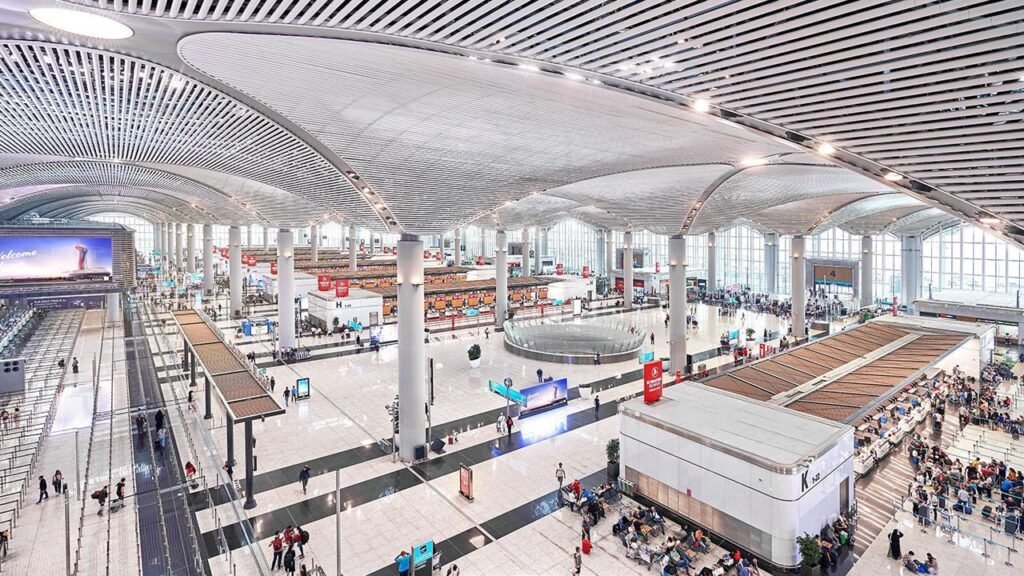
The Terminal Management and Operations Training Course provides aviation professionals with the knowledge and practical skills required to manage modern airport terminals safely, efficiently, and effectively.

Airport terminals play a central role in passenger experience, airport performance, and daily operations. Effective terminal management requires strong coordination between airport departments, airlines, ground handling companies, security services, border control authorities, and other stakeholders.

This course explores the key principles of airport terminal management, including terminal planning, passenger flow management, terminal capacity, resource allocation, operational coordination, and service quality. Participants will examine check-in operations, baggage handling, boarding processes, terminal security, commercial activities, and the management of passenger facilities.

The programme also addresses operational challenges such as congestion, flight disruptions, service interruptions, emergency situations, and passenger complaints. Participants will explore practical approaches to improve terminal performance, manage operational risks, and maintain service continuity.

Through operational case studies, group discussions, and practical exercises, participants will develop the skills to improve terminal efficiency, strengthen stakeholder coordination, and enhance the overall passenger experience.

By the end of the course, participants will have a better understanding of airport terminal operations and the management practices required to support safe, reliable, and passenger-focused airport services.

Key Topics

Module 1: Introduction to Airport Terminal Management
  • Role and functions of airport terminals
  • Main components of passenger terminals
  • Airport terminal management principles
  • Terminal operational structures and responsibilities
  • Roles of airport operators and stakeholders
  • Challenges in modern airport terminal operations
Module 2: Terminal Planning, Design and Infrastructure Management
  • Principles of airport terminal planning and design
  • Terminal layouts and functional areas
  • Landside and airside interfaces
  • Passenger processing facilities
  • Terminal infrastructure and facility requirements
  • Accessibility and inclusive terminal design
  • Future terminal development and expansion
Module 3: Airport Stakeholder Coordination and Operational Management
  • Roles and responsibilities of airport operators
  • Coordination between airports and airlines
  • Ground handling operations and responsibilities
  • Cooperation with security, customs and immigration authorities
  • Airport operational communication and coordination
  • Stakeholder management and service-level agreements
  • Airport Operations Centre (APOC) coordination
Module 4: Passenger Flow and Terminal Capacity Management
  • Passenger journey and processing stages
  • Arrival and departure passenger flows
  • Passenger movement and circulation
  • Terminal capacity assessment
  • Queue management and congestion control
  • Peak-hour operations and demand forecasting
  • Passenger flow optimization
Module 5: Check-in, Boarding and Baggage Handling Operations
  • Passenger check-in procedures
  • Self-service check-in and automated processing
  • Boarding processes and gate management
  • Baggage acceptance and handling systems
  • Baggage reconciliation and delivery
  • Coordination between airlines and ground handlers
  • Management of delayed, lost and mishandled baggage
Module 6: Terminal Facilities and Resource Management
  • Management of terminal facilities and equipment
  • Check-in counter and boarding gate allocation
  • Passenger waiting areas and seating capacity
  • Terminal cleaning and maintenance
  • Passenger information systems and signage
  • Staff and operational resource planning
  • Facility performance and maintenance monitoring
Module 7: Passenger Experience and Service Quality Management
  • Passenger experience management principles
  • Passenger journey mapping
  • Customer service standards and service quality
  • Passenger feedback and complaint management
  • Assistance for passengers with reduced mobility (PRM)
  • Special passenger categories and assistance
  • Passenger satisfaction measurement and improvement
Module 8: Airport Terminal Safety and Security Management
  • Airport terminal safety management principles
  • Aviation security requirements and procedures
  • Access control and restricted areas
  • Passenger and baggage screening interfaces
  • Emergency exits and evacuation arrangements
  • Safety reporting and hazard identification
  • Coordination with airport emergency services
Module 9: Terminal Operational Disruptions and Crisis Management
  • Management of flight delays and cancellations
  • Handling passenger congestion during disruptions
  • Irregular Operations (IROPS) management
  • Communication with passengers and stakeholders
  • Emergency response and crisis coordination
  • Business continuity planning
  • Operational recovery and restoration of normal services
Module 10: Terminal Performance Monitoring and Key Performance Indicators (KPIs)
  • Airport terminal performance management
  • Passenger waiting time indicators
  • Check-in and boarding efficiency
  • Baggage delivery performance
  • Passenger satisfaction indicators
  • Operational reporting and performance dashboards
  • Continuous improvement and corrective actions
Module 11: Smart Airport Technologies and Digital Transformation
  • Digital transformation in airport terminals
  • Self-service and biometric technologies
  • Automated passenger processing
  • Smart terminal management systems
  • Artificial intelligence and data-driven operations
  • Real-time passenger flow monitoring
  • Technology integration and operational efficiency
Module 12: Sustainable Terminal Operations and Continuous Improvement
  • Sustainable airport terminal management
  • Energy efficiency and resource optimization
  • Waste management and recycling
  • Water conservation and environmental practices
  • Sustainable passenger facilities
  • Green building and terminal infrastructure principles
  • Environmental performance monitoring
Module 13: Practical Case Studies and Operational Assessment
  • Airport terminal operational assessment
  • Passenger flow and congestion analysis
  • Terminal capacity and resource allocation exercises
  • Check-in and boarding operational scenarios
  • Passenger service disruption case studies
  • Emergency and crisis management simulations
  • Group-based terminal improvement exercise
  • Final knowledge assessment

Objectives

By the end of the course, participants will be able to:

  • Understand the main principles of airport terminal management.
  • Manage passenger flows and terminal operations effectively.
  • Coordinate activities between airport stakeholders.
  • Understand terminal capacity and resource planning.
  • Monitor operational performance and service quality.
  • Identify and manage terminal congestion and bottlenecks.
  • Improve passenger experience and service delivery.
  • Respond to operational disruptions and emergency situations.
  • Apply practical methods to improve terminal efficiency.

Targe Audience

Certificate

Upon completion, participants receive
a certificate of achievement.

Request More Information

Full name *
Fill out this field
Email *
Fill out this field
Message
Fill out this field

Other trainings

Radio Communication and Phraseology
ClassroomVirtual

Radio Communication and Phraseology

The Radio Communication and Phraseology Training Course equips aviation professionals with the knowledge and practical skills to communicate clearly and…
Air NavigationAirportCivil Aviation Authorities