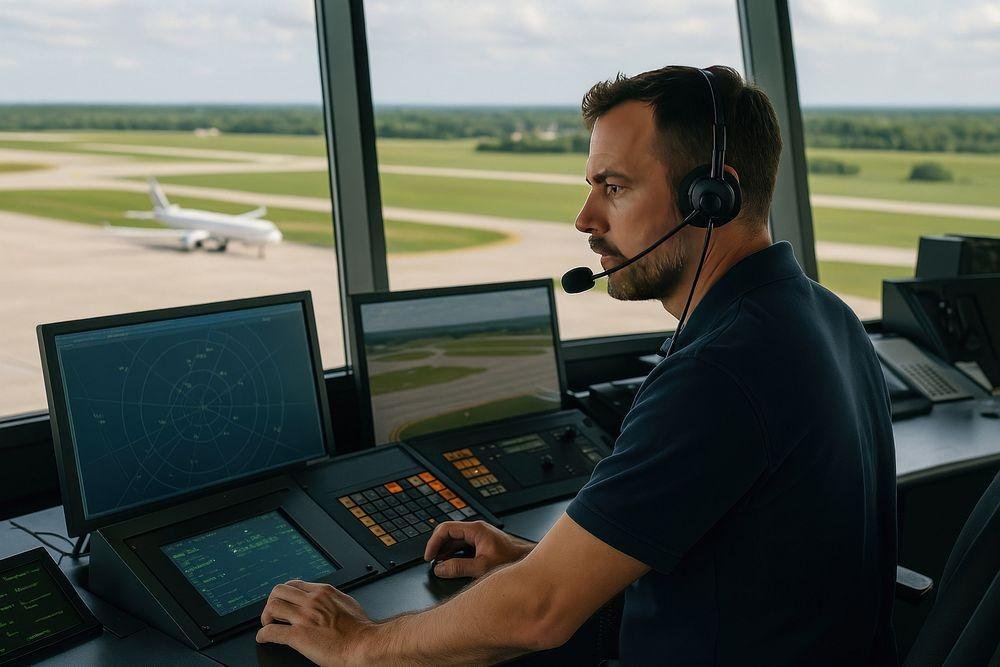


The Introduction to Airport Operations course provides essential knowledge of airport management and daily operational activities. It explores how modern airports maintain safe, secure, and efficient operations. The programme helps aviation professionals understand the key functions that keep airports running smoothly.
Designed for airport personnel, aviation professionals, and civil aviation authority staff, this course covers the main operational areas of an airport. Participants will discover how airport departments, airlines, service providers, and other stakeholders work together to ensure effective airport operations.
Understanding Airport Operations
The course introduces the fundamental principles of airport operations. Participants will explore both airside and landside activities. They will also examine the responsibilities of airport operators and the coordination between different operational departments.
Key subjects include runway and taxiway operations, apron management, aircraft stands, terminal facilities, and airport infrastructure. The programme also explains aircraft movements, turnaround processes, and ground handling activities.
Airside and Landside Operations
Effective airport management requires close coordination between airside and landside operations. This course examines the procedures that support daily airport activities.
Participants will learn about:
- Airside operations and apron management
- Runway and taxiway safety
- Aircraft turnaround coordination
- Ground handling services
- Passenger and baggage handling
- Terminal operations and passenger processing
- Airport service delivery and resource coordination
These topics help participants understand how each operational function contributes to overall airport performance.
Airport Safety, Security and Emergency Preparedness
Safety and security remain essential priorities for every airport. The course introduces fundamental airport safety principles and operational security practices.
Participants will explore hazard identification, airside safety procedures, emergency preparedness, and response coordination. They will also examine the responsibilities of airport operators, airlines, ground handling companies, and aviation authorities.
Airport Performance and Operational Efficiency
Modern airports need effective performance monitoring and resource management. This course introduces the tools and practices that help airports improve operational efficiency.
Participants will explore key performance indicators (KPIs), passenger flow management, resource utilization, and operational bottlenecks. They will also learn how continuous improvement practices can enhance productivity and passenger satisfaction.
Practical Learning and Industry Applications
The programme combines instructor-led presentations, industry examples, interactive discussions, and practical case studies. Participants will examine real-world airport scenarios and explore solutions to common operational challenges.
This practical approach helps aviation professionals connect theoretical knowledge with everyday airport activities. It also strengthens their understanding of operational coordination and stakeholder responsibilities.
Develop Your Airport Operations Expertise
By the end of the course, participants will understand the essential processes that support modern airport operations. They will gain practical insights into airside and landside management, airport safety, ground handling, terminal operations, and performance monitoring.
The Introduction to Airport Operations training course provides a valuable foundation for professionals who want to strengthen their airport management knowledge and contribute to safer, more efficient, and passenger-focused airport operations.