

This Auditing For Regulators Course is designed to assist regulators/auditors from the aviation authorities. The training will provide the regulators/auditors with the ability to properly plan, conduct and close out audits. By doing so, the aviation regulators can have more trust in their oversight of new products/services/facilities, as well as their ongoing monitoring efforts.
In addition, the course provides information regarding auditing in global regulatory systems. To illustrate this point, the course utilizes examples of regulatory requirements from ICAO, EASA, ISO, and the EU. This course focuses on risk-based and performance-based auditing as opposed to solely focusing on simple compliance. So, auditors will be able to assess performance related to safety more effectively.
The program then integrates theoretical training with practical application. Participants develop audit plans and define the boundaries of each audit. They also create well-defined audit checklists. Additionally, participants engage in role play of interviews and the collection of evidence. After completing these steps, the course demonstrates how to categorize audit findings through a systematic process.
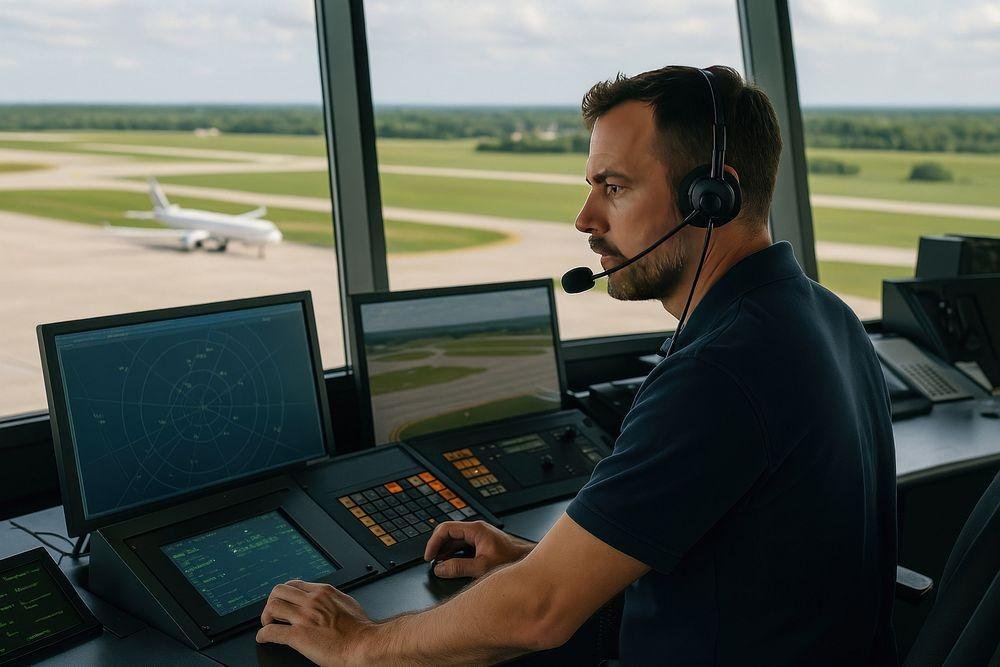
In addition, through the use of realistic scenarios, participants have the opportunity to utilize auditing techniques in a variety of different environments within aviation including airline operations, airport operations, air navigation service providers (ANSPs), and aircraft maintenance facilities. This provides participants with an increased ability to create consistency and make better decisions. Lastly, participants develop an understanding of how to document clearly and systematically in the form of audit reports that can be used to take action against areas of deficiency.
Overall, the course assists Civil Aviation Authorities and Oversight Departments who wish to establish more effective auditing programs. At the completion of the training program, participants will be able to perform audits on a level of quality consistent with international standards. As a result of performing audits at this standard, participants will contribute to improving compliance, strengthening oversight, and increasing aviation safety.