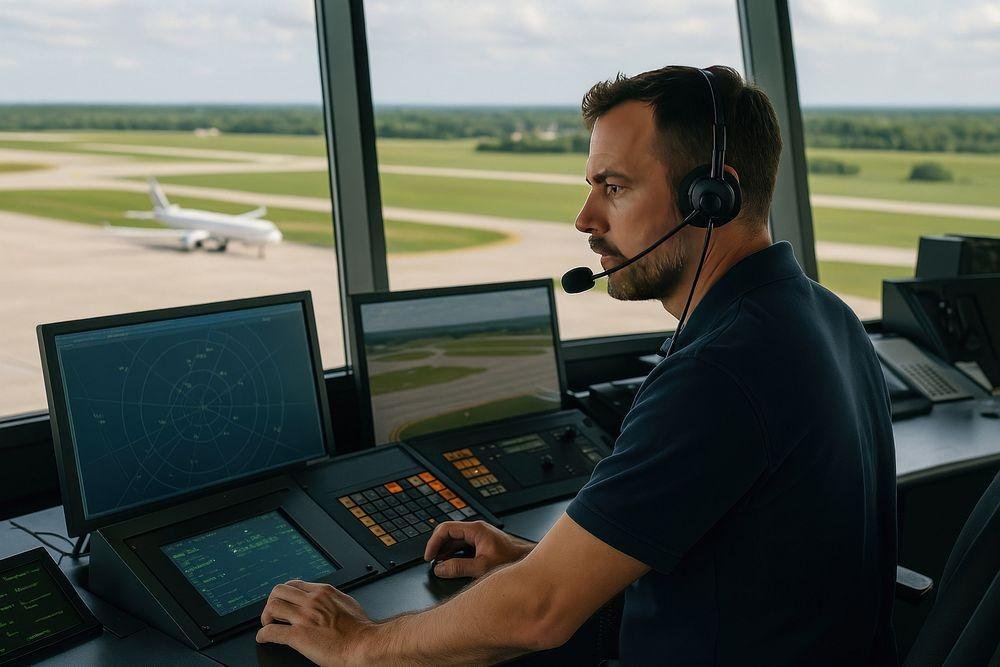


This Risk Based Surveillance Aviation Training helps regulators, inspectors, and safety managers. These experts keep flight operations secure, ensuring all rules are firmly met. The modern flight world is complex. Simple routine checks are just no longer enough. Teams truly need a smart plan. You must put your resources where the real risks lie. The program teaches the core ideas of the practice. It also acts as essential Risk Based Oversight Training. This modern strategy is the absolute foundation of genuine safety oversight today.
Students learn to blend risk management into every single step. This involves planning and taking direct action. It also covers looking at facts and doing follow up work. The class looks at the entire cycle. We cover scheduled and unscheduled checks, as well as reactive and proactive methods. Each type adds deep value to your overall safety program. You will learn to focus on high-risk zones. By using specific data tools, you discover how to spend time wisely. You will conduct targeted checks. These specific actions make a massive difference in results.
Instruction relies on active talks and real-world case studies. Group tasks and live simulations give you real hands-on practice. You will plan out actual risk assignments. You will practice on site and remote checks, utilizing standard checklists. Good assessment tools help you judge rule compliance the right way. We also look at what happens after the checks conclude. You must put corrective and preventive steps into place. The class shows you how to track results. This ensures your safety practices get better all the time.
By the end of the program you will fully grasp these concepts. You will know exactly how to apply this method in the real world. This targeted approach makes your safety efforts much stronger. It supports tight rule compliance. It also builds a workplace culture that constantly wants to improve. The class gives you the right knowledge and the exact skills required. You gain vital practical experience. These traits are needed for true evidence-based oversight. This strong oversight makes the whole aviation system safe and highly efficient.
Types of Surveillance Covered
This course looks at the full surveillance cycle. Participants learn how each type works and when to use it.
Scheduled surveillance follows a planned programme. Inspectors set the timing in advance, based on the risk profile of each service provider. This keeps regular oversight steady and predictable.
Unscheduled surveillance happens without a fixed date. It helps inspectors check that standards are met all the time, not only when an inspection is expected.
Reactive surveillance responds to an event or a concern. A safety occurrence, a complaint, or a worrying trend can all trigger it. Participants learn how to act quickly and gather solid evidence.
Proactive surveillance looks for weak points before they cause harm. Inspectors use safety indicators and data to find high-risk areas early.
The course also covers remote and on-site methods. Participants practise both through case studies and group exercises.
Who Should Attend
This course suits professionals who plan, carry out, or manage aviation oversight. It is a good fit for:
- Civil Aviation Authority inspectors and auditors
- Safety oversight personnel
- Compliance officers and quality assurance staff
- Air operators’ safety and surveillance teams
- Professionals involved in aviation regulatory strategy
- AVSEC and SMS managers who want to bring RBS principles into their work
No advanced technical background is needed beyond working experience in aviation safety or oversight.
Frequently Asked Questions
What is risk-based surveillance?
Risk-based surveillance is an oversight method that directs inspection effort to the areas of highest risk. Authorities do not treat every provider or process the same way. They use safety data, past findings, and risk profiles to decide where to look, how often, and how deeply. This makes the best use of limited inspector time and resources. It also helps find safety problems earlier.
How is it different from traditional compliance monitoring?
Traditional compliance monitoring mainly checks whether rules are met, often through fixed and repeated inspections. Risk-based surveillance goes further. It asks where the real risks are and focuses on them first. It uses data to set priorities and tracks the results after each check. It also builds follow-up, corrective action, and continuous improvement into the process. So the goal is not only to confirm compliance, but to reduce risk and improve safety performance over time.